About
I design clear, usable systems for complex product environments.
I’m Max Monastyrev, a Senior Product Designer with 14 years of experience across enterprise SaaS, digital platforms, design systems and AI-enabled workflows.
14
Years in UX and product design
40+
Organisations across AU, NZ and global teams
SaaS
Enterprise platforms, workflows and systems
0>1
Discovery, validation and delivery experience
My story
I’m drawn to messy, unresolved problems, the kind where the issue is rarely just the interface.
Earlier in my career, I thought good design was mostly about making interfaces look polished. Over time, I learned that the most valuable work often happens before the screen: understanding the system, mapping the constraints, clarifying decisions and helping teams see what matters.
That shaped the way I work today. I’m most useful in complex product environments where teams need someone who can move between strategy, research, systems thinking, detailed UI design and implementation reality.
“Good design doesn’t remove complexity – it organises it until clarity emerges.”
Design principles
-
Good product design starts with people, workflows, constraints, decision points and the broader environment the product lives inside.
-
Complex products do not always need simplification. They often need better structure, clearer hierarchy and more thoughtful interaction design.
-
The best solution is one that works for users, product teams, engineering, timelines, business needs and implementation constraints.
-
Good design compounds when components, behaviours and decisions scale across a product rather than living as one-off interface moments.
Core competencies
The areas where I create the most value across product, design, research and delivery.
Complex workflow UX
Mapping nuanced journeys, decision points, exceptions and edge cases into clear, usable product experiences.
Design systems governance
Creating, maintaining and evolving reusable patterns that improve consistency, speed and delivery quality.
Enterprise SaaS design
Designing scalable platforms, internal tools, dashboards and role-based experiences for complex organisations.
Stakeholder alignment
Helping teams move from competing opinions to shared understanding, clear priorities and confident decisions.
AI-assisted product workflows
Designing human-in-the-loop experiences, AI summaries, assisted drafting, review flows and trust-building interactions.
Accessibility design
Applying inclusive design principles so interfaces are usable, understandable and robust across different needs.
Research synthesis
Turning interviews, testing, stakeholder input and product signals into actionable design direction.
Product/engineering collaboration
Working closely with engineers to make designs practical, buildable and maintainable through delivery.
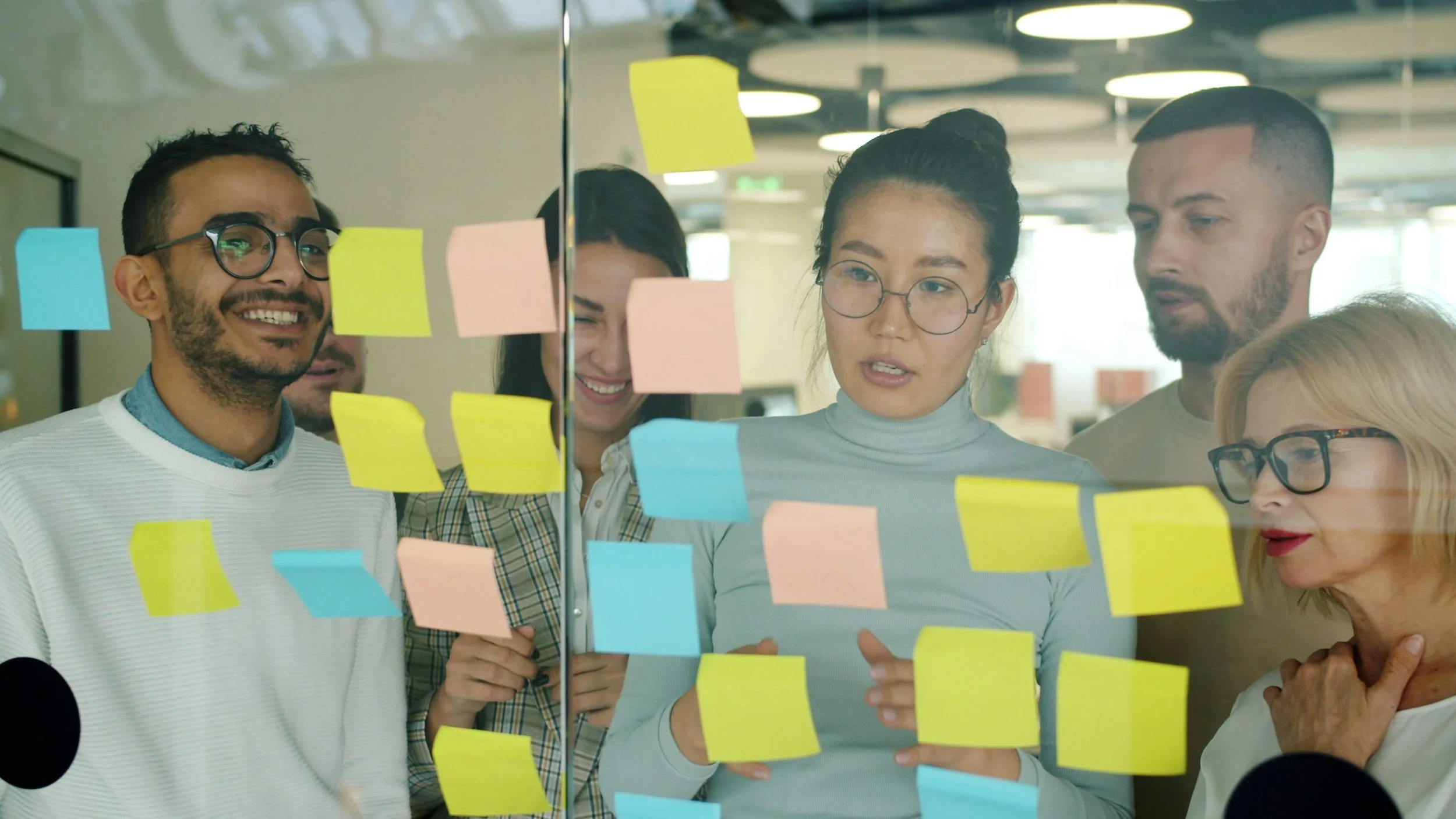
How I work and collaborate
1
Discover and align
I map the workflow, clarify user needs, surface constraints and align the team around the problem worth solving.
2
Design & validate
I turn ambiguity into flows, prototypes and interface systems that can be tested, challenged and refined.
3
Ship and refine
I work with product and engineering to support delivery, review implementation and improve the experience after launch.
I’ve worked with